
You are about to leave www.astellas.com and enter a third-party website. Astellas is not responsible for the content or services on the third-party website.
Would you like to continue?

Your window into Astellas’ world of patient-centered and science-driven healthcare, as told by the experts who bring it to life.

As we celebrate International Women's Day, it's time to reflect on the significant societal contributions of women and acknowledge one of the challenges faced by millions every day – menopause. Often hidden in plain sight due to persistent stigma and lack of awareness, menopause can carry costs that burden women personally, hinder workplace experiences, and constrain economies globally.
Our Menopause Experience & Attitudes Study* of 13,800 respondents across the globe reveals a stark reality: menopause is a natural health transition affecting half the world's population, yet 59% of respondents consider it a taboo topic, and two-thirds feel its symptoms are not taken seriously.1 This silence comes at a steep price.
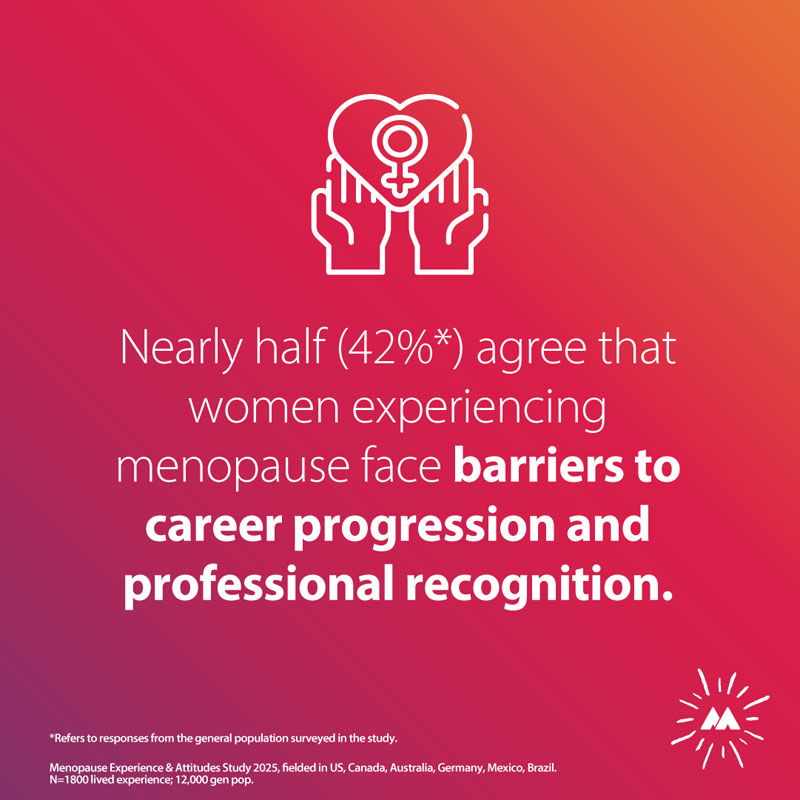
Many of the challenges associated with menopause manifest in the workplace, where women make up 41.2% of the global workforce.2 Over half of the study respondents believe women are not well supported at work, and only one in four women feel comfortable speaking with their line manager about menopause.1 The consequences of women feeling unsupported in the workplace are profound:
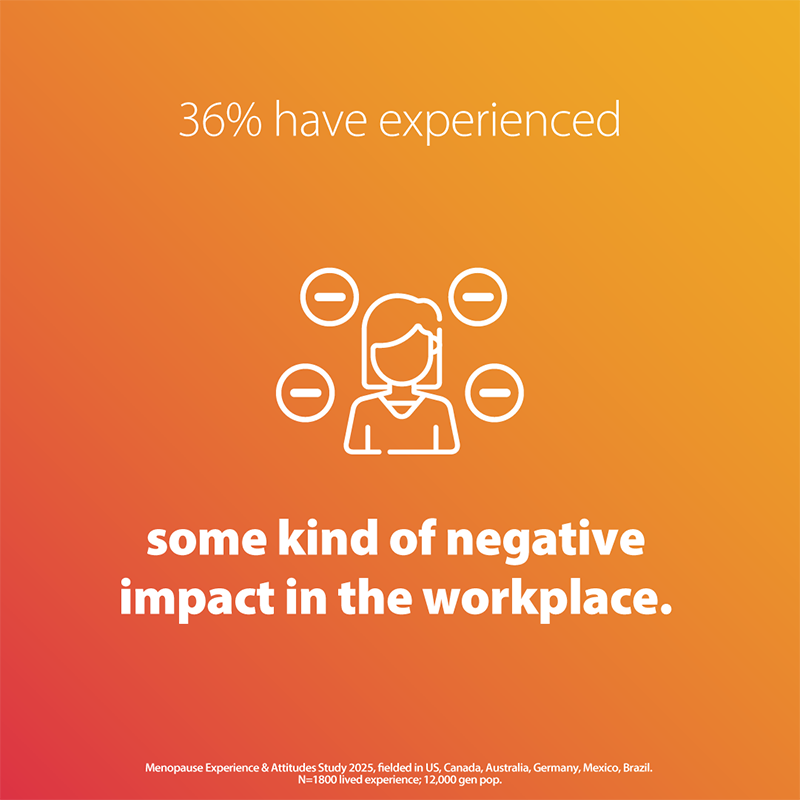
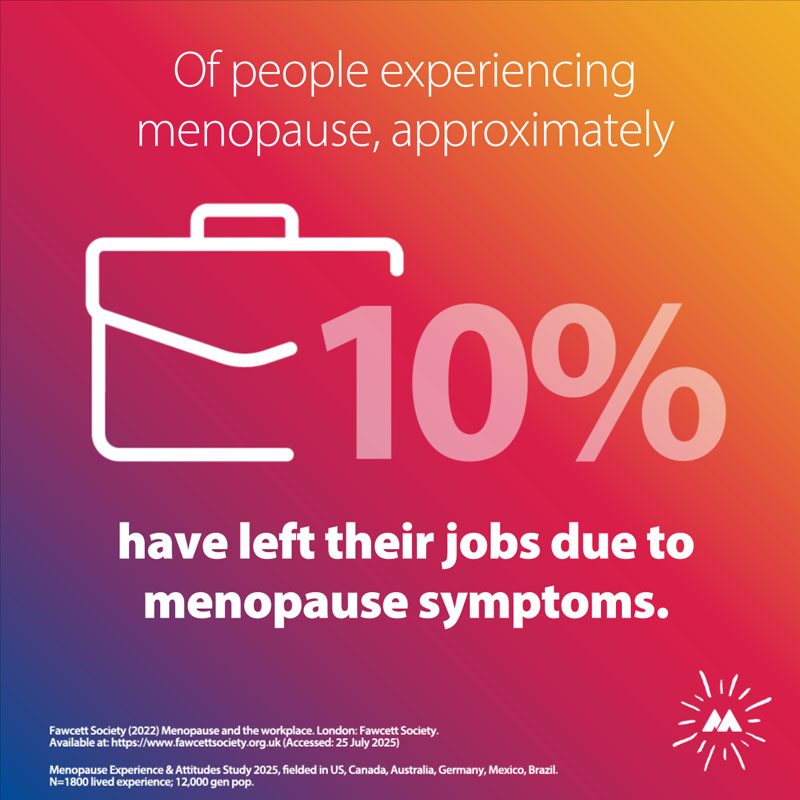
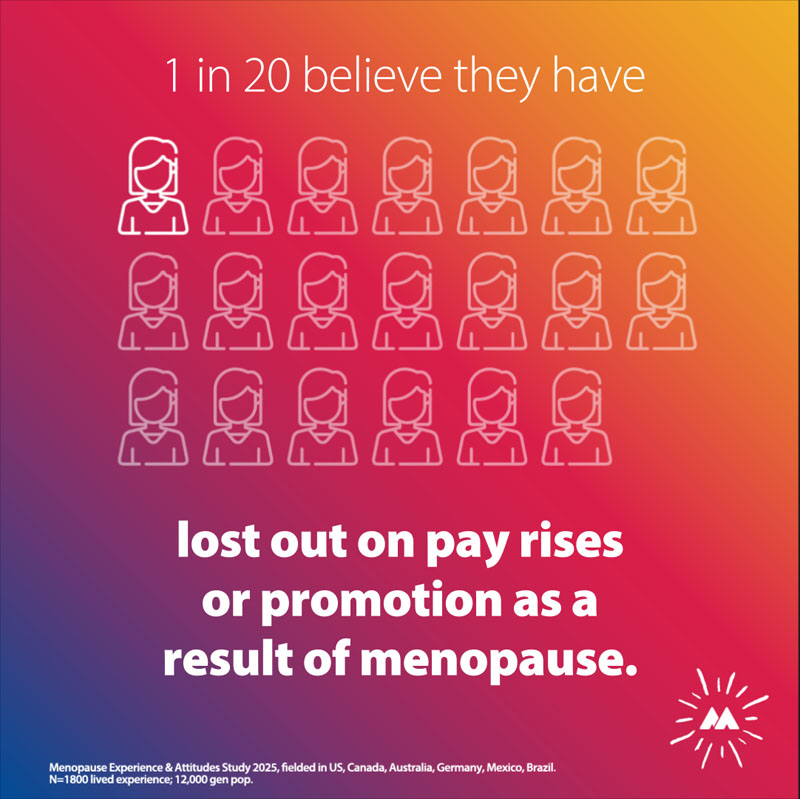
To tackle this critical issue head-on, Astellas presents an advertisement feature as part of the 'Healthier Together II' series, produced for them by BBC StoryWorks Commercial Productions. This branded content film, featuring Lesley Salem, Founder of Over the Bloody Moon, and Karla Martins MD, Executive Medical Director, Global Medical Affairs, Astellas, aims to raise awareness of menopause and its associated symptoms and act as a powerful tool to help normalize conversations about menopause. By highlighting its personal and economic impact, we hope to increase knowledge and support, especially in the workplace.
Astellas is committed to advancing understanding of menopause by addressing stigma, deepening insight through research, and helping create a more supportive and informed environment. Our commitment extends beyond this film and Astellas is actively taking action to address the barriers associated with menopause through:
This International Women's Day, let's recognize that addressing menopause isn't just about prioritizing women's health; it's about economic gain, gender equity, and fostering a society where women can thrive at every stage of life. By breaking the silence and fostering open, informed conversations, we can collectively work towards a future where menopause is understood, supported, and no longer a barrier to women's potential.
*Menopause Experience & Attitudes Study is a research initiative, developed in partnership with external experts, to examine and track societal attitudes, personal experiences, and the stigma surrounding perimenopause and menopause across multiple countries. The study was conducted among 2,000 respondents (including men and women) across six countries (Australia, Brazil, Canada, Germany, Mexico, and the US) and includes an additional sub-sample of 300 40-55-year-old women in all countries to create robust insights into the lived experience of menopause stigma.
**The Global Menopause Policy Platform (GMPP) is a collaborative evidence-based hub convened by Astellas to share expertise and information, align on policy asks and advocacy efforts and exchange experiences on improving menopause policy and practice. Members of the GMPP reflect the full ecosystem needed to transform menopause policy; clinicians who work directly with patients, researchers generating evidence and advocates shaping public awareness and national policy.
1 Astellas Data on File. Menopause Experience & Attitudes Study. 2025.
2 World Economic Forum. Global Gender Gap Report 2025. June 2025. Available at: Gender Gap Report 2025 | World Economic Forum [Last accessed January 2026].
3 World Economic Forum (In collaboration with the McKinsey Health Institute). Closing the women’s health Gap: a $1 trillion opportunity to improve lives and economies. January 2024. Available at: WEF_Closing_the_Women’s_Health_Gap_2024.pdf [Last accessed January 2026].
Follow us